
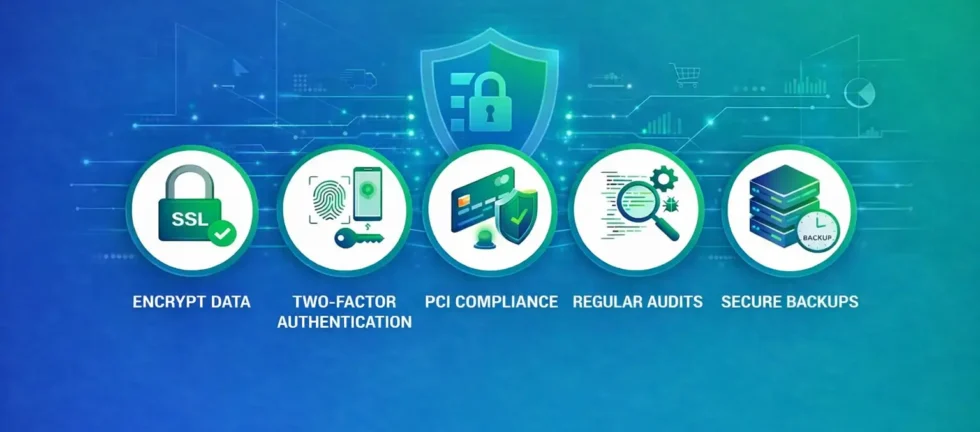
In today’s digital marketplace, e-commerce businesses handle large amounts of sensitive customer information, including personal details and payment data. As online shopping continues to grow, so do cybersecurity threats targeting online stores. Protecting your e-commerce platform is not only essential for safeguarding your business but also for maintaining customer trust.
At WholeLife Tech, we help businesses build secure and reliable e-commerce platforms designed to protect both operations and customer data. Implementing strong security practices ensures your online store remains safe, stable, and trusted by users.
Here are some of the top e-commerce security practices every business should follow:
1. Implement SSL Encryption
Secure Socket Layer (SSL) encryption protects the data exchanged between your website and its users. It ensures that sensitive information such as login credentials and payment details is transmitted securely.Websites with SSL certificates also display the secure “HTTPS” protocol, which builds customer confidence and improves credibility.
2. Use Strong Authentication Methods
Weak passwords and simple login systems can make your platform vulnerable to unauthorized access. Implementing strong authentication methods such as multi-factor authentication (MFA) adds an extra layer of protection.This ensures that only authorized users can access admin panels, customer accounts, and sensitive business data.
3. Keep Your Platform and Plugins Updated
Outdated software is one of the most common causes of security breaches. E-commerce platforms, themes, and plugins should always be updated to the latest versions to fix vulnerabilities and improve security.Regular updates help protect your store from known threats and potential exploits.
4. Secure Payment Gateways
Using trusted and secure payment gateways helps protect financial transactions and customer payment information. Reliable gateways use advanced encryption and fraud detection systems to prevent unauthorized transactions.Choosing secure payment solutions also ensures compliance with industry security standards.
5. Regularly Backup Your Data
Data backups are a critical part of any security strategy. In the event of a cyberattack, system failure, or accidental data loss, backups allow you to quickly restore your website and minimize downtime.Automated and secure backup systems help ensure your business operations remain uninterrupted.
6. Monitor Website Activity
Continuous monitoring helps detect suspicious activities such as unusual login attempts, unauthorized changes, or abnormal traffic patterns. Early detection allows businesses to respond quickly before a threat becomes a serious issue.Security monitoring tools can provide alerts and insights to help maintain a safe environment.
7. Protect Against Malware and Attacks
E-commerce websites are often targeted by malware, phishing attacks, and other cyber threats. Installing web application firewalls and malware scanning tools helps detect and block malicious activity before it affects your system.Regular security scans also help identify vulnerabilities that need immediate attention.
Call to Action
Security is a critical part of running a successful e-commerce business. By implementing strong security practices, businesses can protect sensitive data, maintain customer trust, and ensure long-term growth.At WholeLife Tech, we develop secure, scalable e-commerce solutions that help businesses operate with confidence in the digital marketplace.
Contact us today to learn how our secure e-commerce development solutions can protect and strengthen your online business.